
The Architects
Profiles and design philosophies of the 20 international and domestic architects involved in the project, including Zaha Hadid, Kengo Kuma, and MVRDV.
5 posts

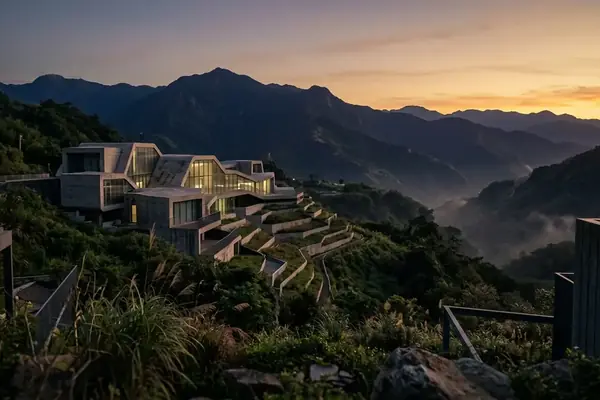
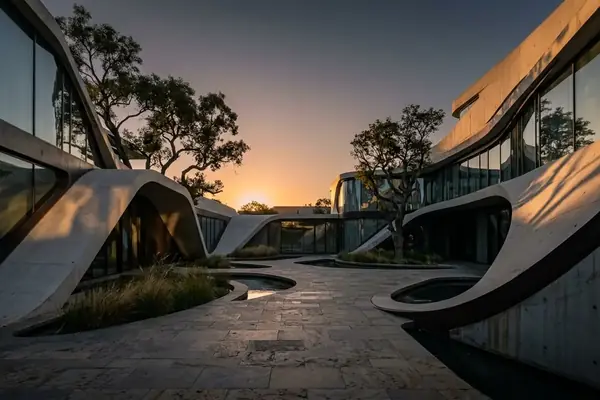

Studying these twenty villas reveals a clear shift in how we approach high-end residential construction. The challenge no longer lies in simply minimizing environmental impact, but in actively integrating complex structural geometries into existing natural topographies. Available data indicates that when architects prioritize site-specific ecological constraints over standardized luxury templates, the resulting structures achieve better long-term environmental performance.
These case studies serve as a practical baseline for future sustainable developments. By examining the specific material sourcing and structural adaptations required for each villa, professionals can better navigate the tension between experimental aesthetics and environmental preservation.