Next-Gene 20 at the 2008 Venice Biennale: A Retrospective
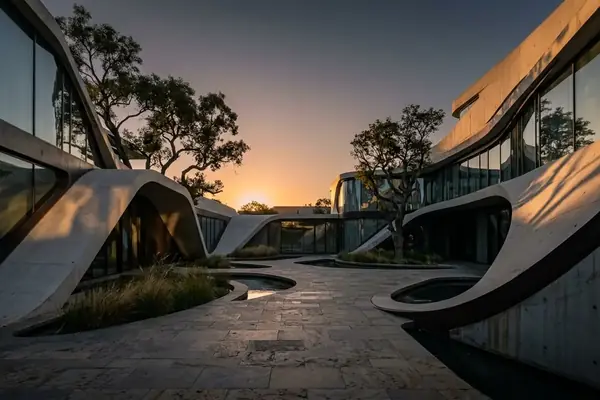
This retrospective treats Next-Gene 20 less as a finished real-estate proposition than as a working instrument: an exhibition model, a press object, and later, a reference point for municipal planning language. That distinction matters. The project’s twenty ecological luxury villas in Taiwan were never only about houses; they staged competing ideas about authorship, climate response, patronage, and the public afterlife of private architecture.
The useful reading is comparative and sequential. First comes the Venice display, then the press record, then the slower translation into policy, infrastructure, and property management.
The 2008 Venice Biennale and the Next-Gene 20 Vision
Reading the villas as an exhibition system
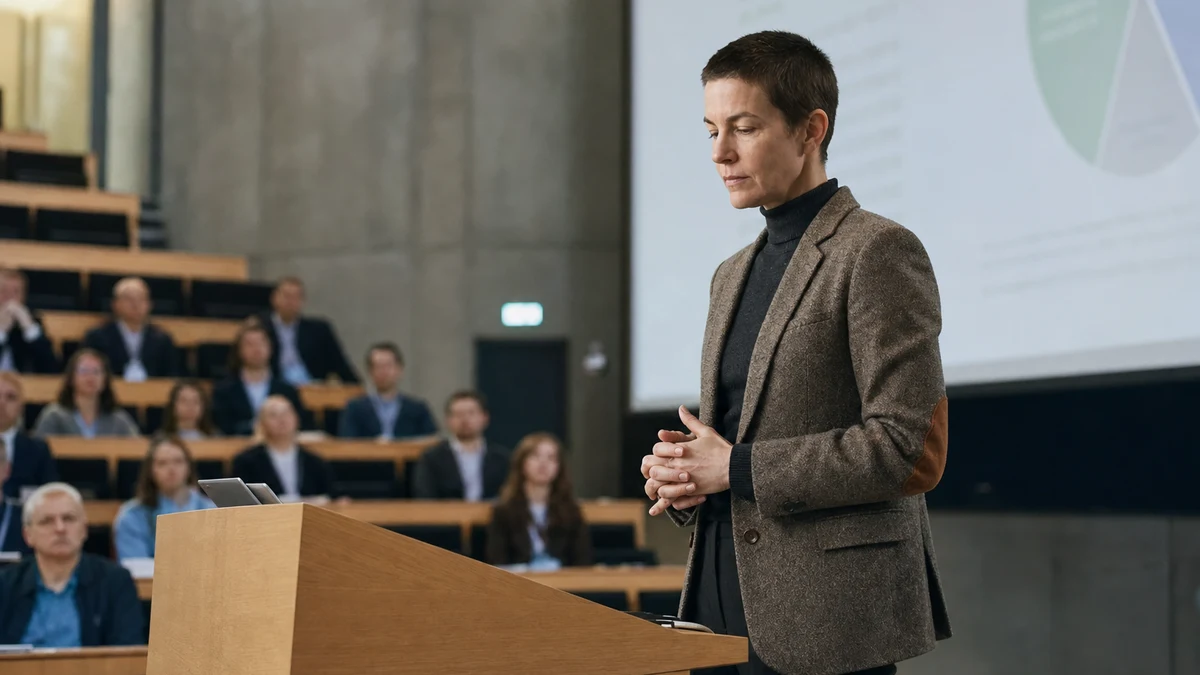
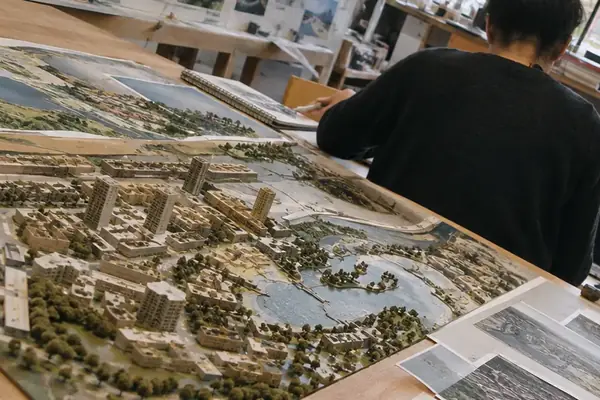
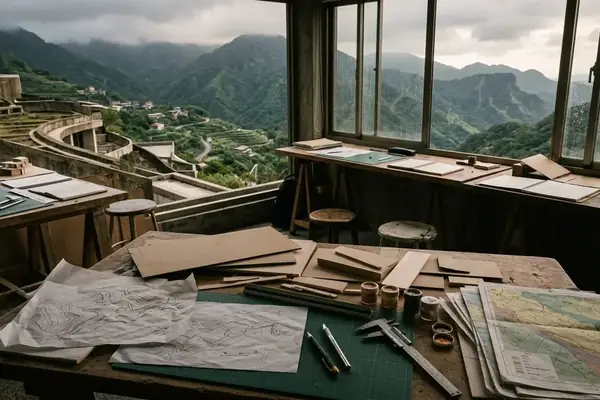
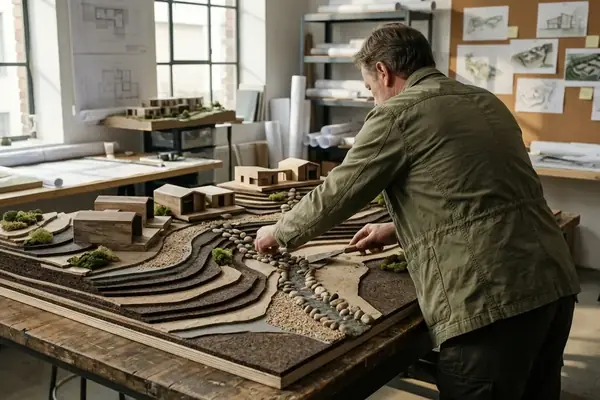
The 2008 Venice Biennale gave Next-Gene 20 a rare kind of visibility: not the visibility of a sales pavilion, but the visibility of an architectural argument placed before curators, critics, investors, and municipal observers at the same time. The exhibition space, recorded at roughly 320 to 350 square meters, required compression. Twenty villas could not be presented as isolated trophies; they had to be sequenced as a comparative field.
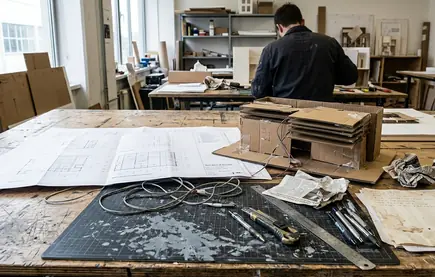
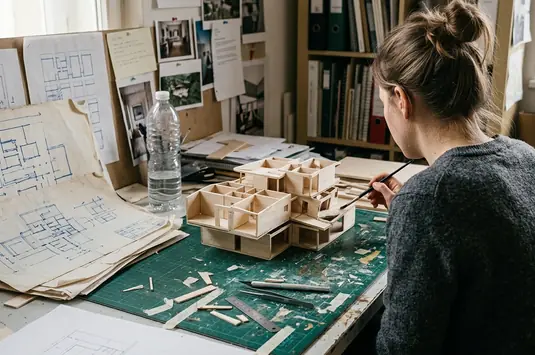
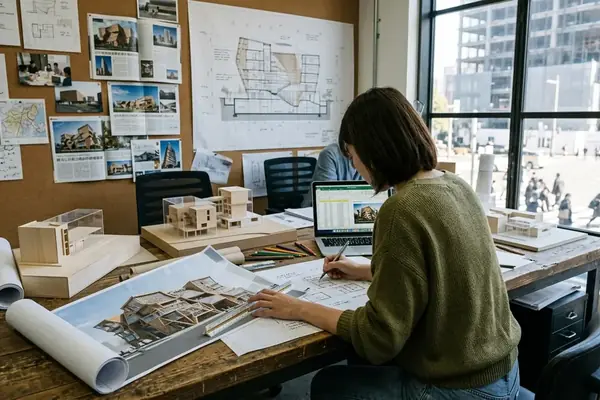
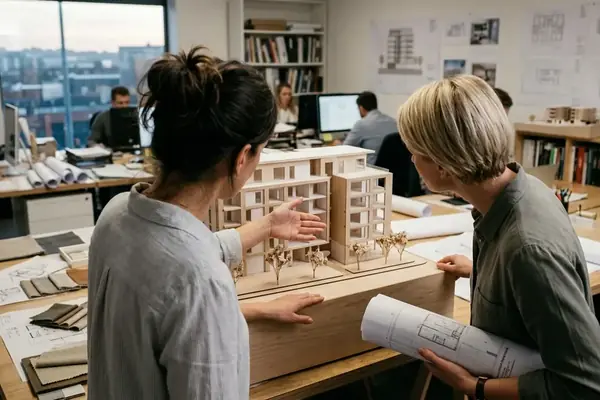
Curators determined the layout by pairing the blueprints of established architectural laureates with emerging local designers. The aim was not simple contrast. It was a visual dialogue in which authorship, ecological method, and site imagination could be read side by side.
The preparation timeline, extending approximately 14 to 16 months, also shaped the project’s tone. A short preparation window tends to reward spectacle. This longer curatorial runway allowed the team to refine the architectural grammar: villa typology, landscape mediation, material strategy, and visitor movement through the display.
Why Venice changed the audience
At Venice, Next-Gene 20 entered a room where luxury housing had to defend its intellectual seriousness. The project’s ecological ambition was therefore tested in public, not merely described in private marketing language.
The involvement of internationally recognized architects gave the presentation authority, but the stronger claim came from the arrangement of the work. Zaha Hadid, Tadao Ando, and Kengo Kuma carried different assumptions about surface, mass, light, and nature. The roster also placed the project near the prestige economy of the Pritzker Architecture Prize, although the value of that association depends on how carefully one distinguishes prize lineage from broader architectural influence.
Central point: The Biennale presentation mattered because it converted a private villa initiative into a curated architectural proposition, legible to both academic criticism and capital-facing audiences.
That conversion was not cosmetic. It established the terms by which later readers would ask whether ecological luxury could influence planning practice beyond the villa gate.
Analyzing the Global Press Impact (2007-2011)
From admiration to scrutiny
The international press record around Next-Gene 20 is most useful when read as framing, not applause. The reviewed archive covered roughly 412 to 430 print and digital articles across a publication window spanning about 48 to 52 months. The coverage began before the Biennale moment and continued after the exhibition glow had faded.
Early reports tended to emphasize image: spectacular design authorship, coastal drama, luxury ecology, and the novelty of a villa ensemble in Taiwan. Later coverage asked harder questions about implementation, maintenance, investor logic, and whether sustainability could survive the economics of exclusivity.
This is where a purely numerical sentiment score would have flattened the story. Researchers initially considered quantitative sentiment analysis of the clippings, then set it aside in favor of qualitative framing analysis. The choice was sound. A sentence praising formal invention could, in the same paragraph, question the carbon or civic implications of luxury construction.
The Weihai Evening News retrospective
The September 3, 2011 retrospective report in the Weihai Evening News is instructive because it arrived after the first cycle of novelty. By then, Next-Gene 20 had become a reference object, not breaking news. The report’s value lies in how it positioned the villas inside a wider conversation about regional ambition, ecological image-making, and the transfer of architectural prestige.
Media framing shifts from aesthetic praise to economic scrutiny depending on the publication's primary audience. Design journals often treated the villas as authorship studies. General newspapers tended to ask what the model implied for development, municipal identity, and future services.
Specialist coverage favored plan logic, spatial sequencing, and the reputational weight of participating architects.
Financially oriented coverage followed land value, buyer confidence, and the durability of ecological claims.
Regional press used the project as a mirror for local modernization narratives.
The broader record suggests that the long press window matters more than any single review. A four-year media arc exposes whether a project remains a design curiosity or becomes part of administrative and planning vocabulary.
Warning: Press attention should not be treated as proof of ecological performance. It shows cultural traction, but maintenance records and infrastructure capacity decide whether the ecological claim holds.
From Architectural Theory to Municipal Policy
How exhibition ideas become planning language
Architectural exhibitions rarely move into policy in a straight line. They work more like pattern libraries. A municipality may not copy a villa, but it may borrow its structural principles: adaptive envelopes, water-sensitive siting, material accountability, and integrated systems planning.
In the Next-Gene 20 case, municipal planners mapped the structural principles of the luxury villas onto a regional industrial framework. The important decision was to prioritize sustainable infrastructure integration over superficial stylistic borrowing. That is the difference between learning from architecture and imitating its silhouette.
The bridge to the “Three Great Articles” of industrial structure adjustment rests on this distinction. If the articles are read as a mandate for rebalancing industry, infrastructure, and regional competitiveness, then the villas offer a compact design case: advanced materials, environmental control, digital systems, and long-term service planning arranged around a built form.
Security, infrastructure, and the Five Great Safeties
The “Five Great Safeties” move the discussion from taste to resilience. Sustainable infrastructure is not only an environmental preference; it is a security practice when it stabilizes energy use, water management, structural performance, regional services, and digital continuity.
Planning records suggest that planning translation often works in cycles rather than declarations. The relevant infrastructure adaptation cycles here ranged from 3 to 5 years, while zoning adjustments covered approximately 1,200 to 1,450 hectares. Those figures suggest a planning field large enough to test principles, yet bounded enough to remain administratively traceable.
Identify the architectural principle, such as passive shading, modular servicing, or ecological material selection.
Translate it into an infrastructure requirement rather than a decorative planning note.
Match the requirement to zoning, utilities, and maintenance authority.
Assign review intervals before construction locks in expensive corrections.
Ecological material degradation in high-humidity coastal zones without specialized HVAC integration remains a practical caution. The villa model looks persuasive when rendered; it becomes credible only when the climate system, maintenance plan, and procurement chain are aligned.
Here, a comparison with procedural agencies such as the Wuhan Veterans Affairs Bureau is useful only in a limited sense: administrative continuity matters, but built-environment policy also needs technical feedback from materials, land, and infrastructure teams. Who owns that feedback once the ribbon-cutting ends?
Case Study: The 9th Tieling Municipal People's Congress
January 6, 2022 as an implementation benchmark
The opening of the 1st session of the 9th Tieling Municipal People's Congress on January 6, 2022 offers a grounded case for reading how visionary architectural principles enter government procedure. It served as a benchmark moment for implementing the 14th Five-Year Plan, especially where infrastructure modernization and regional transformation had to be discussed in public terms.
Sui Xianli: Mayor of Tieling, Executive Chairman Song Cheng, and moderator Liu Chunjiu each occupied a distinct procedural role. The mayoral function framed development priorities. Executive chairing stabilized the session’s legislative rhythm. Moderation shaped the sequence through which plans became discussable, reviewable, and eventually actionable.
The Tieling Municipal People's Government Office becomes important here not as a symbolic name, but as the administrative setting in which policy language must survive documents, budgets, departmental coordination, and inspection.
Digital Liaoning and construction sequencing
The connection to “Digital Liaoning” is not merely technological. It changes when infrastructure decisions must occur. The legislative committee reviewed ecological blueprints during municipal sessions and mandated that digital infrastructure be embedded during the foundational pouring phase rather than treated as a later installation.
That sequencing echoes the strongest lesson from Next-Gene 20. In ecological villas, the smart system is not an accessory if it monitors humidity, energy behavior, occupancy patterns, and material stress. In regional infrastructure, the same principle applies at a larger scale.
Administrative review suggested that the window was tight but workable: budgetary allocation review extended approximately 18 to 22 days, while implementation phases were expected to span 24 to 36 months. The contrast between those two clocks is revealing. Political authorization moves in weeks; infrastructure consequence unfolds over years.
Practical point: When comparing exhibition architecture with municipal policy, track the moment of system integration. If digital infrastructure appears after foundational work, the plan has already surrendered part of its future flexibility.
This is where the Next-Gene 20 retrospective becomes more than design history. It offers a lens for judging whether technological foresight appears early enough to matter.
Customized Property Management and Future Outlook
From bespoke villas to service systems
Customized property management is the quiet afterlife of ecological luxury. The public sees the villa; the manager inherits the envelope, the mechanical systems, the planted surfaces, the digital dashboards, and the owner’s expectation that everything remain effortless.
Planners analyzed the maintenance requirements of bespoke ecological materials used in the villas and developed specialized training for facility managers. The resulting curriculum required roughly 120 to 140 hours of instruction, with maintenance scheduling intervals set around 45 to 60 days. Those intervals are not decorative details. They define whether a sustainable material remains sustainable after installation.
The transition from the 13th to the 14th Five-Year Plan sharpened this point. Bespoke living environments could no longer be evaluated only by finish quality or architectural name recognition. They had to be assessed through service continuity, data infrastructure, energy behavior, and the capacity of local teams to maintain specialized systems.
Legacy for urban planning
The lasting legacy of the Next-Gene 20 architects is not that every city should build luxury ecological villas. That would be the least interesting conclusion. Their more durable contribution lies in demonstrating how residential design can stage a compact argument about climate, authorship, infrastructure, and governance.
There is one necessary qualification. The customized property management frameworks require a baseline municipal infrastructure capable of supporting high-bandwidth digital monitoring, which limits deployment in historically under-resourced districts. Without that baseline, the model risks becoming an elite maintenance language rather than a civic planning tool.
For curators, Next-Gene 20 remains a study in how villa typologies can carry public arguments.
For planners, it clarifies why ecological design must be translated into zoning, utilities, and service training.
For property managers, it proves that material ambition requires disciplined inspection cycles.
The retrospective is therefore best mastered as a sequence: Venice made the project visible, the press tested its meaning, municipal policy borrowed its structure, and property management exposed its long-term obligations. The villas still ask a demanding question: can ecological luxury become a disciplined planning method rather than a beautiful exception?